


Explore how IT security technologies can create hidden risks when layered without a plan.

October 23, 2026
Cloud infrastructure design has become the main way managed IT service providers are evaluated, with on-site break-fix support now secondary. Businesses that focus only on help desk speed risk missing the expertise needed for today’s workloads.
A managed IT service provider used to be judged by how quickly they could fix things on-site. Now, 97% of these providers offer cloud infrastructure design and management, showing how much the field has changed.
Many businesses still focus on help desk response times, but that’s no longer the main way to measure IT support. The real work now lives in the cloud, where most of your systems and data are handled remotely.
If you’re choosing a provider, it’s easy to miss what matters most. The right partner is the one who can build and manage a reliable cloud environment, not just solve problems as they pop up.

Cloud infrastructure has become the backbone of business technology. Instead of relying on physical servers and on-site fixes, companies now use cloud platforms to run applications, store data, and support remote work.
This shift means your managed IT service provider must be skilled in designing and maintaining cloud systems. It’s not enough to know how to fix a broken computer in your office. Providers need to understand how to set up secure, scalable, and efficient cloud environments.
Because so much business happens online, cloud expertise impacts everything from daily operations to long-term growth. If your provider isn’t strong in this area, your business could face downtime, security risks, or missed opportunities.
Traditional MSP IT support focused on fixing hardware, troubleshooting software, and responding to help desk tickets. These tasks are still important, but they’re no longer the main event.
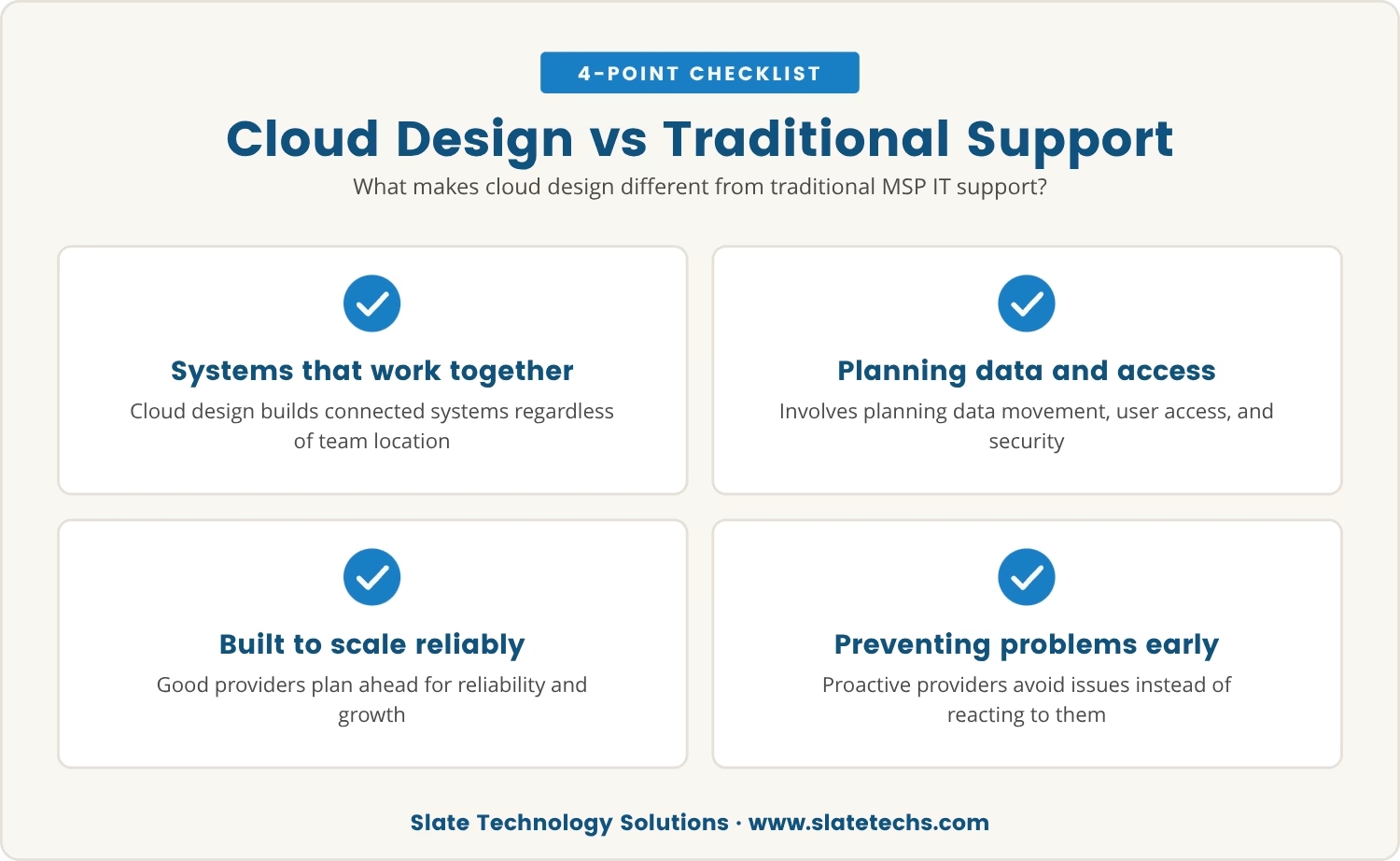
Cloud infrastructure design is about building systems that work together smoothly, no matter where your team is located. It involves planning how your data moves, how users access resources, and how everything stays secure.
A provider who excels in cloud design will think ahead, making sure your systems are reliable and easy to scale as your business grows. They’ll also help you avoid problems before they start, rather than just reacting when something breaks.
When you’re searching for a managed IT service provider in Florida, it’s tempting to focus on quick help desk responses. But that’s only a small part of what you need.
Instead, look for a provider who can show you how they design and manage cloud environments. Ask about their experience with cloud migration, security, and ongoing management. Can they explain how your data will be protected and how your systems will stay up-to-date?
Florida businesses face unique challenges, like hurricane season and strict data privacy rules. A strong provider will understand these local factors and build your cloud setup to handle them.
If you haven’t reviewed your provider’s cloud capabilities lately, now is a good time to ask: Does your current partner have the skills to keep your business running smoothly in the cloud?

A modern managed IT service provider does much more than fix things when they break. Their main job is to design, build, and manage the systems that keep your business running every day.
This includes setting up cloud platforms, monitoring your network for threats, and making sure your data is backed up and recoverable. They also help you plan for growth, so your technology can scale as your business does.
Providers who focus only on break-fix support may leave you exposed to bigger risks. Without a strong cloud foundation, you could face outages, data loss, or security breaches that are much harder to fix after the fact.
Cloud infrastructure design isn’t just about picking a platform. It’s a set of decisions that shape how your business uses technology. Here are the main elements:
Keeping your data safe is the top priority. A good design includes strong access controls, encryption, and regular security reviews.
Your systems should grow with your business. Cloud infrastructure lets you add resources quickly without major upgrades.
Downtime costs money. Well-designed cloud systems use backups and failover options to keep your business online.
Your cloud setup should work with the software and devices you already use. This avoids disruptions and helps your team stay productive.
A solid plan ensures you can recover quickly from outages or cyberattacks. This includes regular backups and tested recovery procedures.
Cloud services can get expensive if not managed well. A good provider helps you track usage and avoid unnecessary costs.
Fast help desk support is still valuable, but it doesn’t solve the bigger challenges of running a business in the cloud. Most issues today are about system design, security, and integration, not just fixing broken devices.
If your provider focuses only on response times, they may miss the root causes of recurring problems. Over time, this can lead to higher costs, more downtime, and frustration for your team.
The best managed IT services now focus on preventing issues before they start. This proactive approach saves you time and money, and it keeps your business moving forward.
Choosing the right partner means asking the right questions. Here are some to consider:
If you choose a managed IT service provider based only on how fast they fix things, you may end up with a partner who can’t handle your real workload. The demands of cloud infrastructure are different from traditional IT support.
Businesses that don’t adapt risk falling behind. Systems designed for the old way of working can’t keep up with today’s needs, especially as more work moves online.
The right provider will help you build a technology foundation that supports your goals now and in the future. That’s the difference between just getting by and truly thriving.

If your business has 45 to 100 users, you may be realizing that quick fixes aren’t enough to keep your systems running smoothly. At Slate Technology Solutions, we know that reliable cloud infrastructure is now the real foundation of business IT.
We invite you to see how our team approaches cloud design and ongoing management, or to start a conversation about what your current setup needs.
Sign a 3-year contract with Slate Technology Solutions and you’ll get 3 months of service free—an easy way to start building a better IT setup.
Look for evidence that your provider has completed successful cloud migrations and manages cloud environments for other clients. Ask for examples and check if they offer ongoing cloud management, not just setup. Providers with real experience can explain their approach in clear terms and show how they keep your data secure and accessible.
Managed IT services now focus on proactive planning, cloud integration, and security. This means fewer disruptions, better protection against cyber threats, and systems that grow with your business. You get more value from your technology investment when your provider helps you avoid problems instead of just reacting to them.
Outsourcing IT can be a smart move if you want expert support, predictable costs, and access to the latest technology. However, some businesses keep certain roles in-house for control or compliance reasons. The best approach is often a mix, where your provider handles cloud infrastructure and security, while your team manages daily tasks that require local knowledge.
A managed service provider will set up regular data backups, test recovery processes, and create a plan for getting your systems back online after an outage or cyberattack. They should review this plan with you and update it as your business changes. This ensures you can recover quickly and minimize downtime.
Proactive support means your provider monitors your systems, applies updates, and fixes small issues before they become big problems. They’ll also give you advice on improving your setup and planning for future needs. This approach reduces surprises and helps your business run smoothly.